
Inside DOJO’s Private Hospitality Breakfast at Kettner’s
 Sunny BirdGrowth Strategy Director
A few weeks ago I went to my first event since joining b4b Global Edge: a private breakfast we’d put together for DOJO at Kettner’s, Soho House. I didn’t really know what to expect walking in, but by the time everyone had left, I understood exactly why we build events like this the way we do.
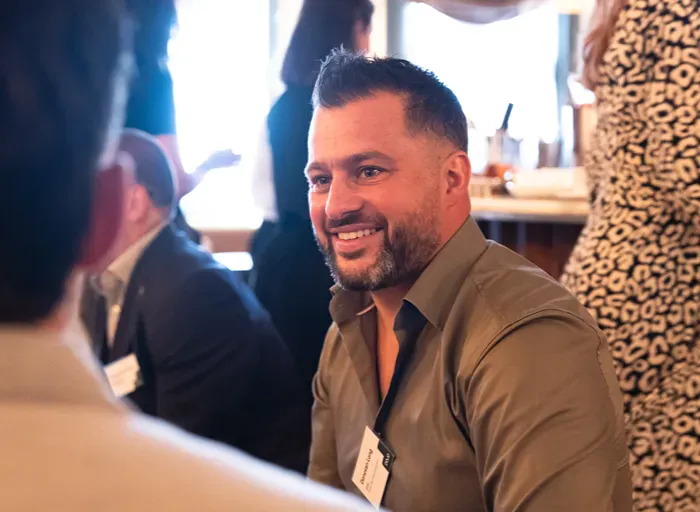
The room brought together senior hospitality leaders from Soho House, NOPI by Ottolenghi, Joe & The Juice, Sunborn Hotel and other major operators, and gave them space to talk honestly about what’s actually happening in the industry. What came out of it was a candid conversation about the issues making hospitality harder, the technology that’s supposed to help, and what happens when it does the exact opposite.
For DOJO, the morning was a chance to meet senior hospitality leaders, hear first-hand about the challenges affecting their businesses, and start conversations with the right people. It led to five follow-up meetings – a clear route to keep those conversations going. That’s the part I found most interesting to watch unfold: how a well-run morning like this turns into something with a real, trackable outcome.
What DOJO Wanted From the Event
DOJO wanted to meet senior decision-makers from multi-site hospitality businesses, but the event needed to give them a genuine reason to attend. Hospitality leaders already get plenty of invitations to conferences and supplier-led presentations, and the last thing we wanted was another morning where guests turned up expecting a useful discussion and ended up sitting through a product pitch. So we built the breakfast around questions the industry is already asking: what’s making hospitality harder right now, where technology is genuinely helping, and where it’s adding cost and hassle instead.
Different Perspectives, One Message
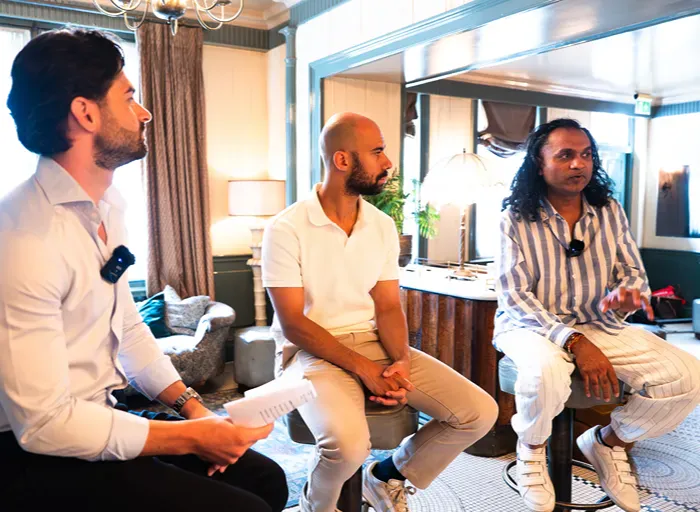
Joining the panel were Mitz Patel, Global Head of IT Delivery at Soho House, and Cameron Bownes, General Manager at NOPI. Cameron brought the day-to-day view of running a busy venue, while Mitz shared his experience of delivering technology across larger hospitality groups.
Cameron talked about how the talent pool has changed since Brexit and Covid, with fewer people seeing hospitality as a long-term career and recruitment and succession planning becoming harder, while guests expect more for their money than ever. Mitz explored where technology genuinely eases that pressure, and pushed back on the idea that every people or process problem can be solved by adding another system.
One of the most interesting parts of the morning, for me, was hearing why good technology can still fail. Mitz talked about systems being bought because competitors use them, rather than because the business identified a real need, and about what happens when the people who’ll actually use the technology are brought in too late. Teams find ways to keep service moving even when a system doesn’t work for them, and those shortcuts quietly become the everyday process. Cameron put it plainly: a poor rollout disrupts teams, affects guests and makes people wary of the next change. Both kept coming back to the same point – the people using a system every day usually spot the problems first, so they need to be in the room from the start.
What I Took Away From My First Event
Working at my first b4b Global Edge event, what struck me most was how much work goes in before anyone sits down for breakfast. None of that morning’s honesty happened by accident – it came from months of groundwork, understanding exactly who needed to be in that room and why.
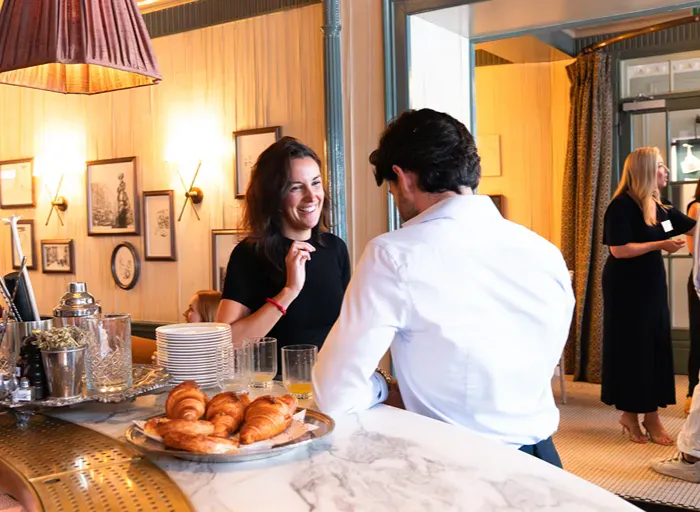
I also saw first-hand why keeping the guest list small matters. Nobody was checking their phone or waiting for their turn to pitch. People actually listened to each other, which is rarer than it should be at industry events – and it’s the reason the conversation felt useful rather than like another networking morning to get through.
Why the Breakfast Worked
Kettner’s gave the morning the right atmosphere, professional without being formal, and the smaller guest list meant everyone had time to contribute properly. Francisco Ventura from Sunborn Hotel summed it up better than I could:
“We all had something to take away, without feeling like we were being sold to.”
That was exactly what we wanted the morning to achieve.
For DOJO, it meant relevant connections with senior hospitality leaders, first-hand insight into the issues they’re dealing with, and five follow-up meetings to build on. We managed the audience research, invitations, venue, speakers and delivery, bringing each part together around the people DOJO wanted to meet.
If you’d like to find out how b4b Global Edge can help your business reach the senior decision-makers you want to meet, get in touch with the team via our online contact form.
 Written bySunny BirdGrowth Strategy Director, B4B Global Edge